
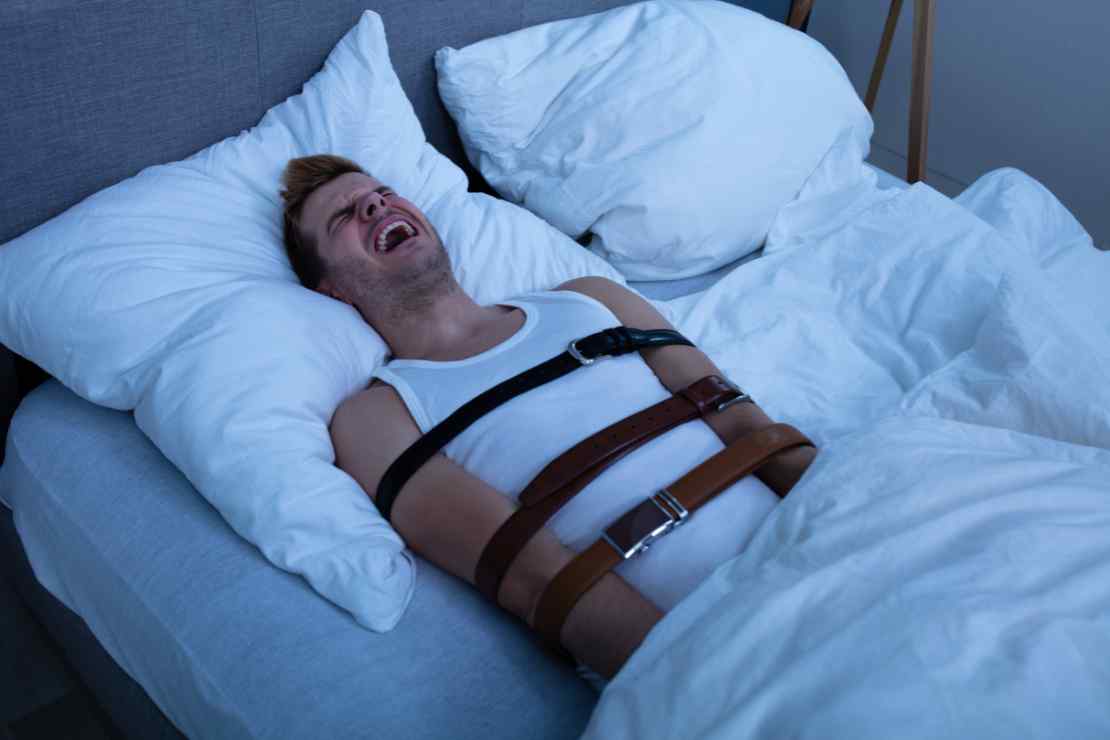
Sleep is meant to be an escape from the buzz of the world, a place where your body and mind may finally unwind. For many others, sleep brings an experience that is anything but serene. Imagine waking up to a state in which you are fully aware of your surroundings but entirely unable to move, speak, or cry for help. Some people even perceive shadowy beings in the room or feel an intense pressure on their chest.
Ghost?
No, it is the sleep paralysis!
It truly is a terrible, dreamlike state that is far more common and far less hazardous than most people realise.
In this blog, we’ll discuss the true nature of sleep paralysis, its causes, its symptoms and hallucinations, and above all, the doable solutions that can help you through it.
What Exactly Is Sleep Paralysis?
Sleep paralysis is a state when your mind wakes up before your body does. Normally, during sleep, your muscles become temporarily paralysed in order to prevent you from acting out your dreams. This muscle “switch” fails to shut off in time during sleep paralysis. You become conscious, but your body remains frozen.
Episodes usually happen either right as you’re drifting off to sleep (hypnagogic sleep paralysis) or as you’re waking up (hypnopompic sleep paralysis). Although the sensation feels extreme, sleep paralysis is not harmful—it is simply a mismatch between different sleep cycles.
How Does Sleep Paralysis Feel?
People who have experienced this condition commonly describe the feeling of:
- Being conscious but immobile
- Feelings of suffocation or pressure on the chest
- Sensations of floating, falling, or being pulled
- Observing footsteps, buzzing noises, or murmurs
- Seeing shadows or persons in the room
- Intense fear and panic
Hallucinations, which happen because the brain is still partially in dream mode, are mostly to blame for this.
Hypnagogic Hallucinations (Dozing Off)
These occur as you’re drifting towards sleep. They can occasionally include sounds or feelings of floating, but they are typically visual with patterns, shapes, faces, and landscapes.
Hypnopompic Hallucinations (Waking Up)
These occur when waking up, typically appearing as flashes of light, shadows, or figures. Even though they are only pieces of your dream state, they seem so real, that you believe in what you are experiencing.
The terror can be significantly lessened by realising that these experiences are neurological rather than supernatural.
Sleep Paralysis vs. Lucid Dreaming
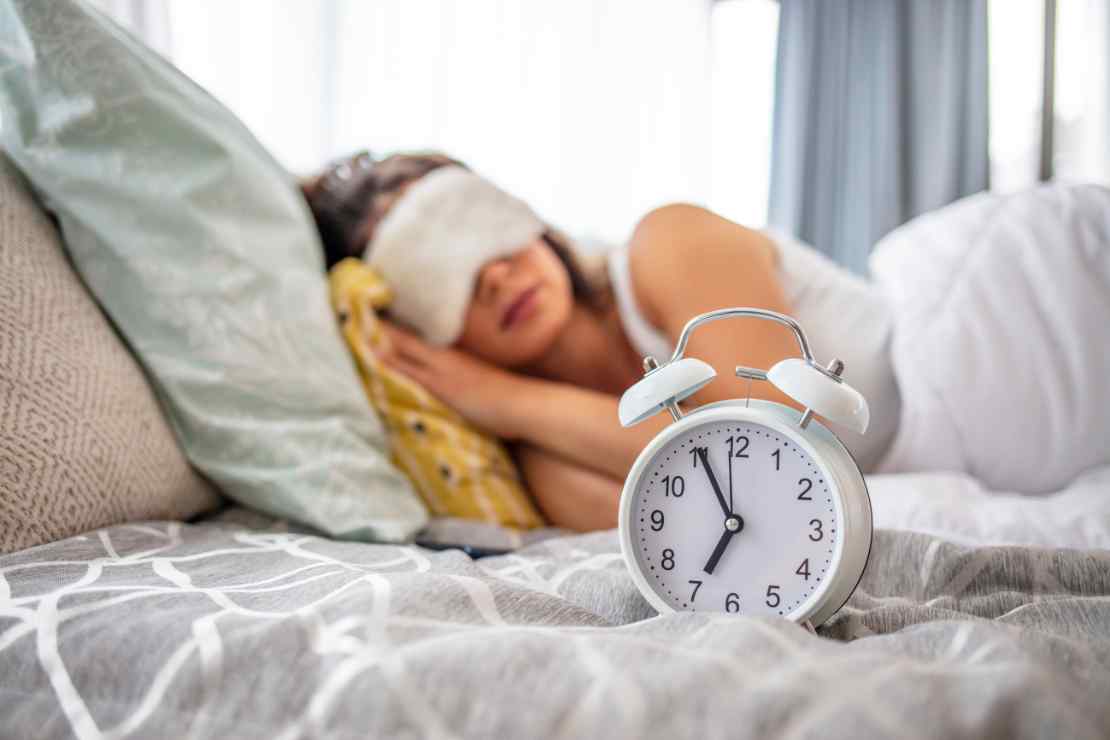
While both require altered consciousness, the feelings of experiencing lucid dreaming and sleep paralysis are substantially different:
REM sleep is when lucid dreams occur. You are aware that you are dreaming, and you often have control over it.
Sleep paralysis happens while entering or exiting REM. You feel awake yet stuck in an unresponsive body, typically combined with terror or hallucinations.
Some people consciously try to produce lucid dreams, but this can obscure sleep borders and increase the possibility of sleep paralysis, especially in persons who already deal with anxiety or sleep disorders.
Who Is Affected by Sleep Paralysis?
Around 20% of people have sleep paralysis at least once in their lives. It can last into the 20s and 30s and frequently starts in adolescence. While some people only have one episode, others go through it several times.
Typical triggers consist of:
- Insufficient or inadequate sleep
- Unpredictable sleep schedules
- High tension or anxiety
- Dozing off on your back
- Sleep disorders, including narcolepsy
- Some drugs (such as some antidepressants or ADHD drugs)
- Substance use
- Sleep paralysis in the family
Always remember, understanding your triggers is the first and most basic step towards reducing and curing the occurrence episodes.
What Causes Sleep Paralysis?
Sleep paralysis occurs when your sleep cycle becomes disturbed. Typical explanations include:
1. Sleep Cycle Disturbances
It is when your biological clock is thrown off by shift work, jet lag, or irregular sleep schedules.
2. Persistent Medical Conditions
Having medical conditions today is very common. The most likely to be include anxiety, PTSD, OCD, bipolar disorder, and narcolepsy. These can over the time lead to sleep paralysis.
3. Drugs and Substances
Alcohol, antidepressants, and recreational substances can interfere with REM sleep.
4. Heredity
Sleep paralysis conditions sometimes run in families, suggesting a hereditary relationship.
5. Lifestyle Factors
Sleeping on your back and high stress levels increase the danger of falling prey to this condition.
How Can Sleep Paralysis Be Identified?
A healthcare physician may recommend:
- A nocturnal sleep test called a polysomnogram is used to track breathing, movement, and brain waves.
- Multiple Sleep Latency Test (MSLT) – to determine how soon you fall asleep and enter REM
These tests help identify underlying sleep problems like narcolepsy.
7 Effective Ways to Overcome Sleep Paralysis
Although there isn’t a specific treatment, improving sleep patterns significantly reduces the frequency of attacks.
- Create a regular sleep schedule
- Make your bedroom sleep-friendly
- Reduce stress before bed by listening to some calming music
- Improve sleep hygiene by being consistent about your sleep time
- Talk about it with your well wishers
- Engage in meditation and mindfulness activities
- Seek professional support if conditions worsen
How to Handle an Episode
If sleep paralysis strikes, try:
- Focusing on little movements (toes, fingers)
- Breathing steadily and slowly
- Shifting your gaze from side to side
- Imagining your body awakening
- Repeating encouraging thoughts like “This will pass”
- Attempting a little vocal sound (like a hum)
These approaches help break the paralysis more quickly and lessen terror in the moment.
Relaxation & Meditation for Better Sleep
Meditation is one of the most effective long-term tools. A peaceful sleep is the result of a peaceful mind. Frequent practice is beneficial:
- Cut down on anxiousness
- Improve sleep quality
- Make episodes less terrifying and shorter.
- Build emotional resilience
Before going to bed, incorporate deep breathing exercises or guided meditation to promote relaxation and a sense of security.
How Yogaadi Helps You Manage and Reduce Sleep Paralysis
Through guided breathwork, mindfulness techniques, and mild yoga sessions, Yogaadi helps relax the mind and regulate the sleep cycle. Our relaxation-focused techniques are intended to reduce anxiety at night, ease physical tension, and encourage deeper, uninterrupted sleep—all of which minimise the risk of sleep paralysis.
Whether you battle with high stress, poor sleep, or emotional exhaustion, Yogaadi’s sessions offer a safe and steady path towards balance. Regular practice with us surely will help you become more aware of your body, calm your rushing thoughts, and establish a calm, grounded inner space.
Conclusion
We understand that it can be frightening, perplexing, and emotionally taxing to experience sleep paralysis. But the more you understand it, the less power it has over you. We are sure that some conscious sleep habits, stress reduction, and expert support when needed, will help you regain control of your nights and experience more tranquil, regenerative sleep.
Remember, you are not alone, and with the proper knowledge and support, sleep paralysis can become a manageable part of your sleep journey rather than a fearful interruption.
FAQs
1. What is paralysis caused by sleep?
A transient condition known as sleep paralysis occurs when your body is immobile yet your mind awakens.
2. What causes people to experience chest tightness or see shadows during an episode?
Because the brain is still partially in REM sleep, these feelings are caused by hallucinations that resemble dreams.
3. Can sleep paralysis cause harm?
No, despite the terrible sensation, it is harmless and typically lasts for a few seconds to minutes.
4. What causes paralysis during sleep?
The most frequent triggers include sleeping on your back, stress, worry, inconsistent patterns, and poor sleep.
5. How can I lessen instances of sleep paralysis?
Episodes can be considerably decreased by enhancing sleep patterns, lowering stress levels, and engaging in relaxation methods like yoga or meditation.