
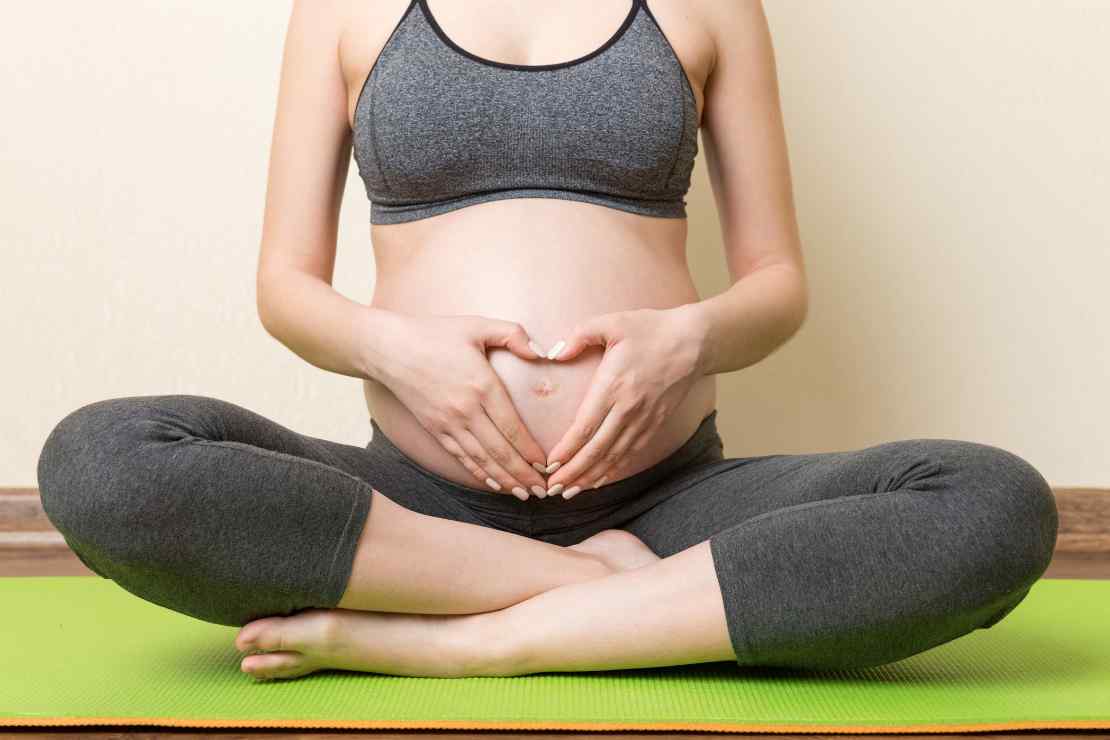
Pregnancy is one of the most beautiful and transformative experiences in a woman’s life. While it brings joy and anticipation, it also brings changes — physically, mentally, and emotionally. As your body prepares to nurture a new life, maintaining your well-being becomes essential. One of the most effective ways to stay active, calm, and connected with your body during this time is yoga.
Yoga has been practiced for centuries for its healing and balancing benefits. During pregnancy, it can help ease discomfort, improve flexibility, promote relaxation, and prepare your body for childbirth. However, not all yoga poses are safe during pregnancy. This guide will walk you through safe yoga practices, their benefits, precautions, and everything you need to know before rolling out your mat.
Why Practice Yoga During Pregnancy?
Pregnancy yoga, or prenatal yoga, focuses on gentle stretching, mindful breathing, and relaxation techniques that support both the body and mind. Here’s how it can help:
1. Improves Strength and Flexibility
As your belly grows, your muscles and joints experience extra pressure. Prenatal yoga strengthens your lower back, hips, and legs — helping support your changing body and reducing pain.
2 Reduces Stress and Anxiety
Deep breathing and meditation techniques help calm the mind, balance hormones, and reduce mood swings. They also prepare you emotionally for labor and motherhood.
3 Enhances Circulation and Reduces Swelling
Yoga helps improve blood flow throughout your body, reducing common pregnancy issues like swollen feet, leg cramps, and fatigue.
4 Supports Better Posture
As your baby bump grows, it can affect your posture, leading to back pain. Gentle yoga stretches help realign the spine and relieve tension.
5 Prepares You for Labor
Certain yoga poses and breathing exercises help open the pelvis and strengthen the pelvic floor muscles, making labor smoother and more manageable.
Safe Yoga Practices During Pregnancy
Not all yoga poses are safe for pregnant women. The key is to avoid deep twists, backbends, and poses that put pressure on your abdomen or require you to lie flat on your back after the first trimester.
Let’s explore some safe and beneficial yoga practices for each trimester:
1 First Trimester (Weeks 1–12)
During the early weeks, your body undergoes major hormonal changes. Fatigue and nausea are common, so gentle and restorative yoga is best.
Safe Poses:
- Cat-Cow Pose (Marjaryasana-Bitilasana): Helps release tension from the spine and improve flexibility.
- Bound Angle Pose (Baddha Konasana): Opens hips and improves circulation in the pelvic region.
- Seated Side Stretch: Stretches your sides and promotes deep breathing.
Tips:
- Avoid hot yoga or vigorous practices.
- Focus on gentle movements and mindful breathing.
- Stay hydrated and rest when needed.
2 Second Trimester (Weeks 13–27)
This is often called the “golden period” of pregnancy because energy levels increase and nausea often subsides. Now is the perfect time to build strength and balance.
Safe Poses:
- Warrior II (Virabhadrasana II): Strengthens legs and improves stamina.
- Triangle Pose (Trikonasana): Enhances balance and opens the hips.
- Goddess Pose (Utkata Konasana): Strengthens the pelvic floor and thighs.
- Bridge Pose (Setu Bandhasana): Can be done gently with a pillow under the hips for support.
Tips:
- Avoid lying flat on your back. Instead, use cushions or bolsters to elevate your upper body.
- Keep your feet wider apart for better balance.
- Avoid deep twists and compressing your belly.
3. Third Trimester (Weeks 28–40)
As your belly grows, your balance may change, and your center of gravity shifts. Yoga during this period focuses on relaxation, breathing, and preparing for childbirth.
Safe Poses:
- Child’s Pose (Balasana): Provides deep relaxation and relieves back pain.
- Squat Pose (Malasana): Helps open the pelvis and strengthen the lower body for labor.
- Butterfly Pose: Promotes hip flexibility.
- Legs-Up-the-Wall (Viparita Karani): A restorative pose that helps reduce swelling in the feet and legs.
Tips:
- Move slowly and mindfully.
- Use props like bolsters, blankets, and straps for comfort.
- Focus on breathing exercises and meditation.
Breathing Exercises (Pranayama) for Pregnancy
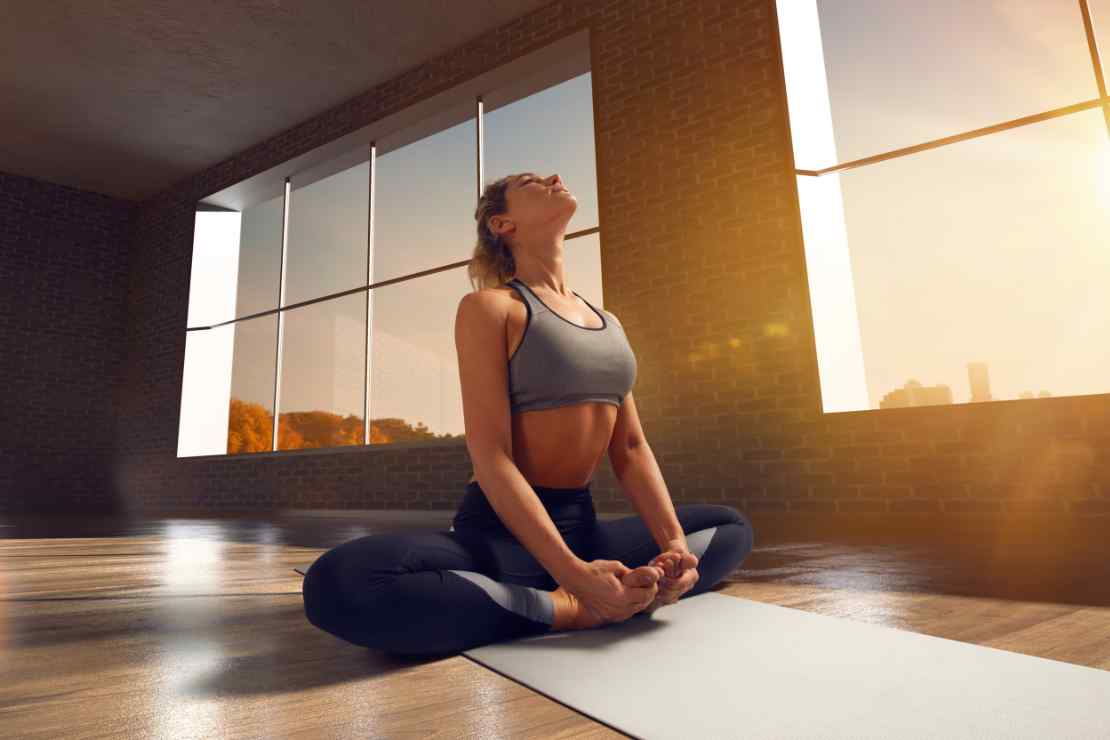
Breathwork is an essential part of prenatal yoga. It enhances oxygen supply to both you and your baby while promoting relaxation.
Recommended Techniques:
- Deep Belly Breathing: Breathe slowly and deeply through your nose, allowing your belly to expand.
- Ujjayi Breath (Ocean Breath): A calming breathing method that helps you stay centered during labor.
- Alternate Nostril Breathing (Nadi Shodhana): Balances the nervous system and reduces anxiety.
Avoid:
- Breath retention (holding your breath)
- Rapid breathing techniques like Kapalabhati
Tips for Practicing Yoga Safely During Pregnancy
- Consult Your Doctor First: Always get medical clearance before starting any exercise routine.
- Listen to Your Body: If something feels uncomfortable or painful, stop immediately.
- Avoid Overstretching: Pregnancy hormones like relaxin loosen your joints, making it easier to overstretch — be gentle.
- Stay Hydrated: Keep a water bottle nearby and drink often.
- Use Props: Blocks, straps, bolsters, and cushions can make poses safer and more comfortable.
- Avoid Hot Yoga: Overheating can be dangerous for both mother and baby.
- Join a Prenatal Yoga Class: If possible, practice under the guidance of a certified prenatal yoga instructor.
The Emotional and Mental Benefits of Prenatal Yoga
Beyond physical health, yoga nurtures your emotional and mental well-being. Pregnancy can bring emotional ups and downs, and yoga helps you find inner peace through mindfulness.
- Boosts confidence and self-connection.
- Promotes emotional balance by reducing anxiety and fear.
- Encourages bonding with your baby through mindful movement and breath awareness.
- Improves sleep and reduces restlessness.
Prenatal yoga becomes a sacred time — a chance to slow down, reflect, and celebrate the journey of motherhood.
When to Avoid Yoga During Pregnancy
While yoga is generally safe, certain conditions require caution. Avoid yoga if you experience:
- Vaginal bleeding or spotting
- Severe abdominal or pelvic pain
- Dizziness or shortness of breath
- Preterm labor or risk factors for it
- Placenta previa or low-lying placenta (without medical advice)
Always consult your healthcare provider if you’re unsure.
Postnatal Yoga: After the Baby Arrives
Once your doctor gives the green light (usually 6–8 weeks postpartum), you can gently return to yoga. Postnatal yoga helps strengthen your core, improve posture, and ease back into fitness while supporting emotional healing.
Start slow and focus on gentle stretches, pelvic floor exercises, and breathing practices before progressing to more active poses.
Final Thoughts
Yoga during pregnancy isn’t about perfecting poses — it’s about connecting with your changing body, calming your mind, and preparing for the beautiful journey of childbirth. With mindfulness, patience, and proper guidance, yoga can make your pregnancy more comfortable, empowering, and joyful.
Remember, every pregnancy is unique. Honor your body’s signals, move with awareness, and let yoga be a nurturing companion throughout your motherhood journey.
FAQs
Can I start yoga if I’ve never done it before?
Absolutely! Prenatal yoga classes are designed for beginners. Just make sure you practice under a certified prenatal instructor and avoid strenuous postures.
How often should I practice prenatal yoga?
Most experts recommend practicing 3–4 times a week for 30–45 minutes, depending on your energy levels.
Are there any yoga poses to avoid during pregnancy?
Yes. Avoid deep twists, backbends, inversions, and poses that compress your belly or require lying flat on your back after the first trimester.
Can yoga help with labor pain?
Yes, yoga improves flexibility, strengthens the pelvic muscles, and teaches breathing techniques that can help you stay calm and manage pain during labor.
What’s the best time of day to do prenatal yoga?
Morning or early evening is ideal. Avoid practicing right after meals or when you feel exhausted.