
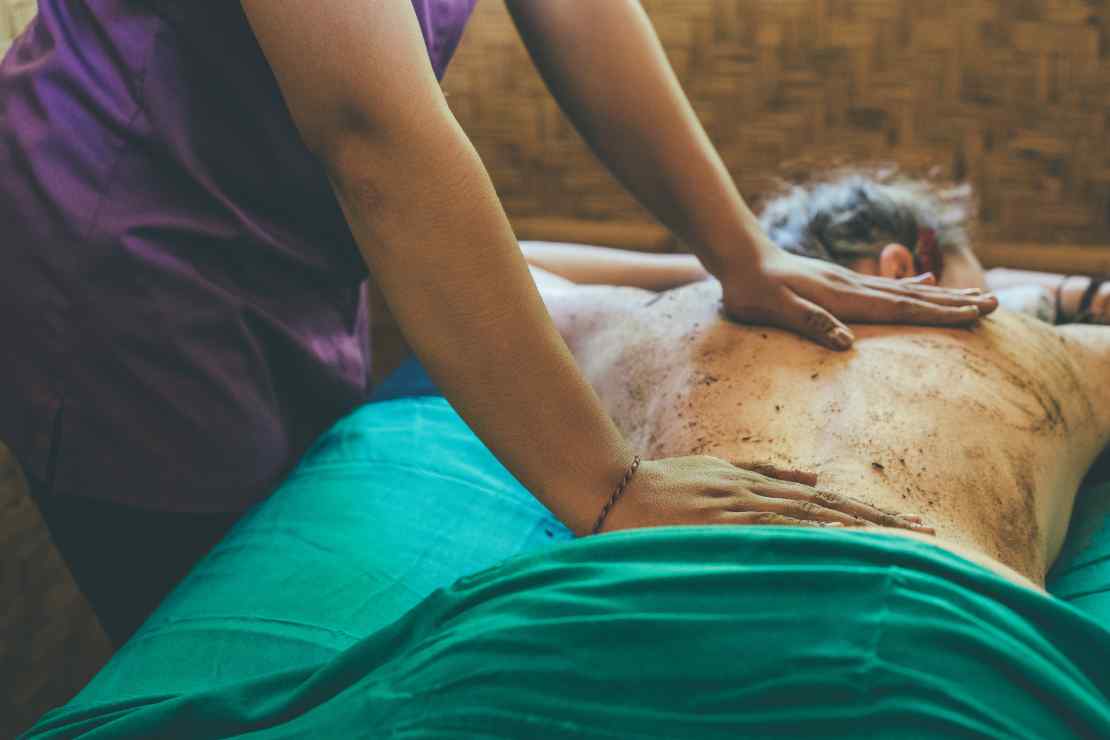
Humanity has long relied on nature to heal what modern methods sometimes fail to address fully. Among the oldest and most powerful of nature-derived treatments is Mud Therapy – an age-old wellness approach rooted in both tradition and science. Spanning cultures from ancient Egypt to Ayurveda in India, Mud Therapy has been utilized for centuries for healing, rejuvenation, and holistic balance. Today, as the world rediscovers the value of natural remedies, Mud Therapy stands out for its impressive range of benefits, versatility, and body-mind synergy.
From detoxifying the body to easing chronic pain, Mud Therapy has captured the attention of wellness seekers, spa enthusiasts, medical practitioners, and holistic therapists alike. This therapy not only nourishes the skin but also impacts internal physiological processes, contributing to improved health and well-being.
In this comprehensive exploration, we’ll delve into what Mud Therapy is, its surprising benefits, the types of mud used around the world, and how this transformative treatment is applied in practice. By the end of this article, you’ll understand why Mud Therapy continues to be a respected and widely embraced therapy for healing, relaxation, and rejuvenation.
What Is Mud Therapy? A Deep Dive Into Earth’s Healing Power
Mud Therapy refers to the therapeutic use of mud – a blend of water and mineral-rich earth, for health and wellness applications. While the concept may seem simple, the actual effects are profound. Mud used in this therapy often contains a rich mineral profile, including magnesium, calcium, sulfur, silica, zinc, and potassium – all of which contribute to biochemical and physiological changes in the body.
Definition and Origins
Mud Therapy is a healing modality that involves applying mud externally (and sometimes internally in ancient traditions) to promote health benefits. Historically, civilizations like the Egyptians, Romans, Greeks, and Indians have used mud in wellness rituals, recognizing its ability to soothe ailments and restore balance.
The roots of Mud Therapy can be traced to:
- Ancient Egypt: Mud from the Nile was used for beautification and purification.
- Roman Baths: Mud packs and baths were central to healing rituals for nobles.
- Ayurveda: Indian medicine has long used therapeutic mud (known as mṛttika or mud powders) for healing and disease prevention.
- Native Traditions: Indigenous cultures around the world used mud for wound care and inflammation.
Whether applied as a warm compress over sore joints or used as a full-body wrap, Mud Therapy takes advantage of the earth’s cooling and mineral-rich properties for wellness benefits.
How Does Mud Therapy Work? (The Science Behind the Magic)
At its core, Mud Therapy works through a combination of physical, chemical, and thermal effects that stimulate biological responses in the body.
Physical Effects
When mud is applied to the skin, its texture and moisture help:
- Open pores
- Draw out impurities
- Improve circulation
- Relax tense muscles
These physical effects make mud a highly effective medium for cleansing and detoxification, particularly when combined with heat (as in a mud bath or warm wrap).
Chemical Effects
Minerals present in therapeutic mud penetrate the skin and interact with body tissues:
- Magnesium aids muscle relaxation and nerve function.
- Sulfur has antibacterial qualities.
- Calcium and Silica support skin elasticity and renewal.
These minerals work synergistically to support the body’s metabolic processes.
Thermal Effects
Warm mud applications help:
- Improve blood flow
- Reduce inflammation
- Ease stiffness
- Promote metabolic activity
Thermal stimulation from warm mud is particularly useful in managing pain and stiffness associated with conditions like arthritis and muscle tension.
Benefits of Mud Therapy: Why It’s So Powerful
Mud Therapy offers a wide variety of health, beauty, and wellness benefits. Scientific evidence and anecdotal accounts both support its effectiveness in multiple areas.
Here are detailed explanations of the key benefits of Mud Therapy:
Detoxification and Cleansing
When mud is applied to the skin, it binds to toxins and impurities lying in the epidermal layers. Through sweating and diffusion, these unwanted substances are drawn out, leaving the skin and underlying tissues cleaner and healthier.
- Helps remove heavy metals
- Promotes lymphatic drainage
- Supports toxin elimination
By facilitating detoxification, Mud Therapy works as a natural cleanser from outside to inside.
Pain Relief and Anti-Inflammatory Action
One of the most notable benefits of Mud Therapy is pain reduction. It is particularly effective for:
- Arthritis
- Muscle soreness
- Joint stiffness
- Back pain
Mud’s warmth dilates blood vessels, improves circulation, and reduces inflammatory markers, resulting in relief that many find deeper and longer-lasting than standard heat therapy alone.
Stress Reduction and Mental Relaxation
Physical relaxation from mud wraps or baths often translates into profound psychological calm.
Benefits include:
- Reduced stress levels
- Improved mood
- Enhanced sense of wellbeing
- Gentle relaxation of mind and body
This dual body–mind response is one reason why Mud Therapy is frequently used in wellness spas and health retreats.
Improved Skin Health
By exfoliating dead skin cells and nourishing the skin with minerals, Mud Therapy can improve:
- Skin texture
- Elasticity
- Hydration
- Radiance
Mineral components help regulate oily skin, tighten pores, and reduce blemishes, making mud treatments popular in dermatology and beauty regimens.
Enhanced Circulation and Tissue Oxygenation
The thermal and physical effects of mud stimulate local blood flow, helping oxygen and nutrients reach tissues more effectively. Improved circulation supports:
- Faster healing
- Better nutrient delivery
- Reduced muscle fatigue
This is why athletes and fitness professionals often include Mud Therapy as part of recovery protocols.
Immune System Support
Regular application of therapeutic mud can encourage metabolic detoxification and cellular repair, leading to enhanced immune function over time. By reducing stress and inflammation, two key suppressors of immunity, Mud Therapy helps the body maintain resilience.
Hormonal Balance and Metabolic Effects
By influencing the nervous system and reducing stress hormones like cortisol, Mud Therapy may play a role in hormonal balance. This can indirectly support weight management, sleep quality, and metabolic health.
Types of Mud Used in Therapy
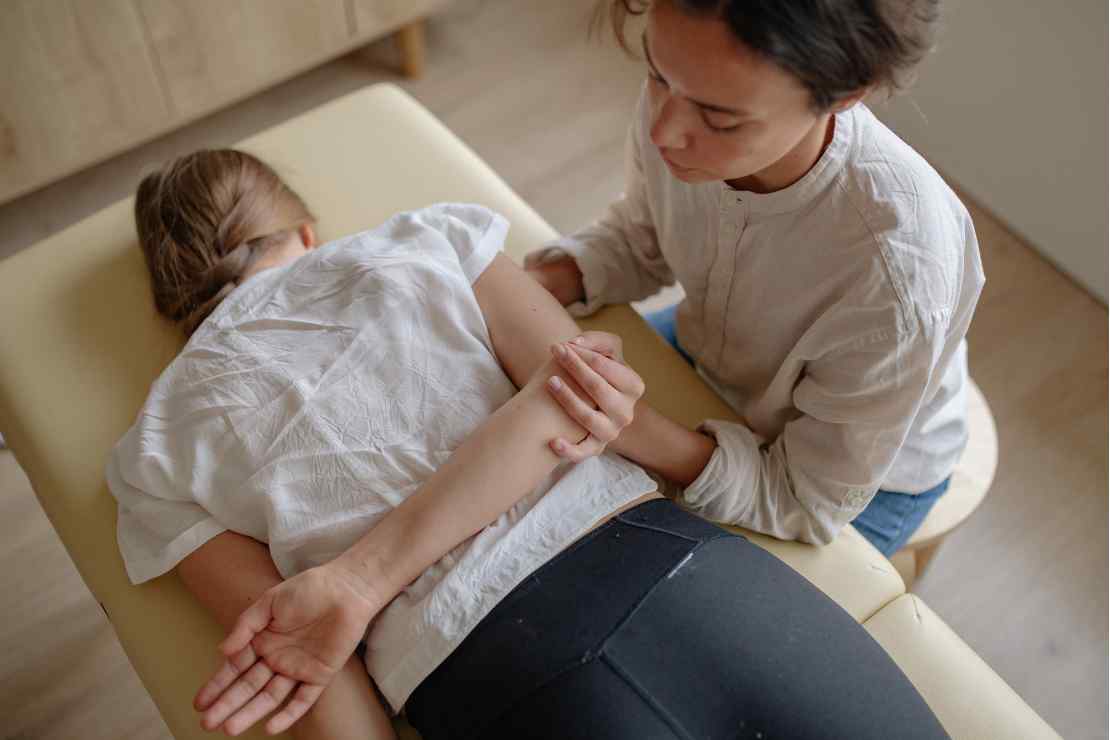
Not all mud is created equal. Different kinds vary in composition, therapeutic value, and regional origin.
Dead Sea Mud
Sourced from the mineral-rich Dead Sea, this mud is famous for its:
- High mineral content
- Anti-inflammatory properties
- Skin-healing effects
Dead Sea mud is widely used for skincare treatments and chronic skin condition relief.
Volcanic Mud
Found near volcanic regions, this mud is rich in:
- Silica
- Iron
- Magnesium
Volcanic mud is especially effective for detoxification and improving circulation.
Thermal or Hot Spring Mud
Found in heated geothermal springs, this mud is used for:
- Pain relief
- Muscle relaxation
- Thermal therapy sessions
Warm thermal mud helps ease joint stiffness and improves tissue flexibility.
Fuller’s Earth (Multani Mitti)
Common in South Asia, Fuller’s Earth (Multani Mitti) is a traditional healing mud known for:
- Deep cleansing
- Oil absorption
- Skin improvement
This type is often used in cosmetic and dermatological applications.
Bay Mud and Peat Mud
These are organic mud types that contain decomposed plant matter and minerals. They provide:
- Soothing properties
- Detox effects
- Mild anti-inflammatory action
These are commonly used in massage and spa therapies.
Techniques of Mud Therapy
Mud Therapy can be administered in many ways depending on the desired effects and therapeutic goal. Below are the most common and effective techniques used around the world:
Mud Packs and Poultices
Mud is applied in a thick layer over a targeted area such as:
- Lower back
- Knees
- Shoulders
- Feet
The pack is wrapped and left to work for 20–45 minutes. This technique allows localized detoxification, circulation improvement, and pain relief.
Full-Body Mud Wraps
Ideal for stress relief and total body detoxification, full-body mud wraps involve:
- Applying mud to the entire body
- Wrapping in warm cloth or foil
- Allowing it to dry slightly
This stimulates lymphatic drainage, reduces puffiness, and improves skin texture.
Mud Baths
In a mud bath, mud mixed with warm water covers the whole body while you recline in a bath. This method offers:
- Full-body heat therapy
- Deep tissue relaxation
- Maximum detoxification
Mud baths are especially popular in spa resorts and wellness retreats.
Mud Massage
A therapist applies mud while performing a massage. The friction plus mud enhances circulation and relieves muscle tension more effectively than a traditional massage alone.
Facial Mud Masks
Smaller in scope but powerful in effect, facial mud masks cleanse pores, absorb excess oil, and bring minerals directly to skin cells. This technique is widely used in beauty therapy.
Combination Therapies
Mud Therapy is often combined with:
- Aromatherapy
- Hydrotherapy
- Sauna treatments
- Yoga or meditation
These combinations create holistic healing environments and amplify benefits
Preparing for Mud Therapy: Practical Guide
To get the most out of a Mud Therapy session:
- Hydrate well before and after
- Avoid eating heavily one hour before
- Consult a professional if you have medical conditions
- Test for skin allergies first
- Warm up muscles if the session involves deep tissue work
Appropriate preparation ensures safety and maximizes therapeutic effects.
Safety and Precautions
Although Mud Therapy is largely safe, consider the following:
- Avoid if you have open wounds
- Don’t use on acute infections or rashes
- Pregnant women should consult a physician first
- Allergic reactions may occur
Proper guidance ensures mud therapy remains a safe and effective practice.
Conclusion
Mud Therapy is a time-tested, nature-inspired treatment with broad applications in health, beauty, and wellness. From ancient civilizations to modern spas, its usefulness has stood the test of time.
By harnessing mineral-rich mud, this therapy detoxifies the body, relieves pain and inflammation, improves skin health, aids relaxation, boosts immunity, and enhances circulation. With types ranging from Dead Sea mud to volcanic and thermal muds, each variation provides a unique therapeutic profile.
The techniques – including mud packs, full-body wraps, baths, massages, and facial masks – cater to diverse needs from stress relief to deep detoxification. Practitioners and everyday users alike implement Mud Therapy not only for physical benefits but also as a means to restore balance and tranquility in an increasingly hectic world.
In an age where people seek both natural alternatives and integrated health practices, Mud Therapy stands out as a versatile and effective option. Whether you are looking to improve your skin’s radiance, soothe chronic aches, or simply unwind, mud can serve as your humble yet powerful ally. Whether enjoyed in a spa sanctuary or practiced at home, the earth beneath our feet truly carries healing within its grasp – and Mud Therapy invites you to experience that healing one layer at a time.
FAQs
1. What is Mud Therapy?
Mud Therapy is a healing treatment using mineral-rich mud to detoxify, improve circulation, relieve pain, and enhance skin health by applying mud packs, wraps, or baths.
2. How often should I do Mud Therapy?
For general wellness, 1–2 sessions per week are beneficial, while therapeutic needs vary. Consult a professional for personalized frequency.
3. Is Mud Therapy safe for everyone?
Mostly yes, but individuals with open wounds, infections, or pregnancy should consult a healthcare provider first.
4. Does Mud Therapy help with arthritis?
Yes, its heat and mineral properties can reduce inflammation and joint pain, providing relief when used regularly.
5. Can mud improve skin conditions?
Yes, mud can cleanse pores, reduce oiliness, and nourish skin with minerals to enhance texture and radiance.